
Robot-assisted radical prostatectomy
The precision of the robot in the service of healing
Discover robot-assisted radical prostatectomy to treat prostate cancer with precision and efficiency.
Benefits
Precision surgery for localized cancers
Procedure
How the procedure works
Expertise in Robot-Assisted Radical Prostatectomy
 Expertise Prostatectomie Radicale Robot AssistéeDr Olivier Dumonceau
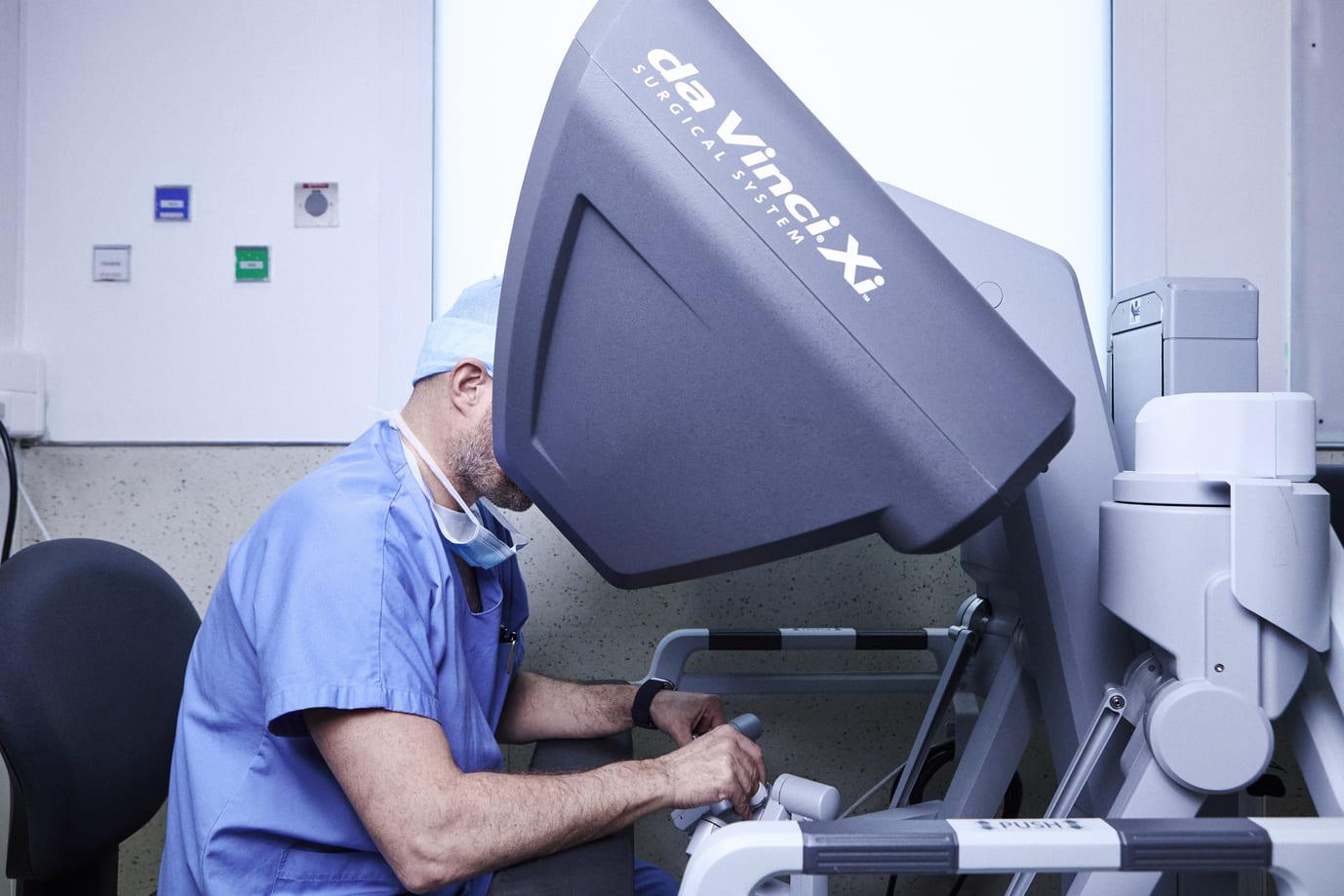
Robot-Assisted Radical Prostatectomy (RAP)
Dr. Dumonceau presents the technique of robot-assisted radical prostatectomy, a cutting-edge procedure that allows for more precise, less invasive surgery and offers faster recovery for patients with prostate cancer.
Expertise
Prostate cancer surgery using the Da Vinci robot by Dr. Olivier Dumonceau
 Opérer le cancer de la prostate au robot Da Vinci par le Dr Olivier DumonceauDr Olivier Dumonceau
Who is the candidate for robot-assisted radical prostatectomy?
Experience
Radical prostatectomy: the Da Vinci robot operation
 Prostatectomie radicale : l'opération au robot Da VinciDr Olivier Dumonceau
The expert in robotic prostatectomy
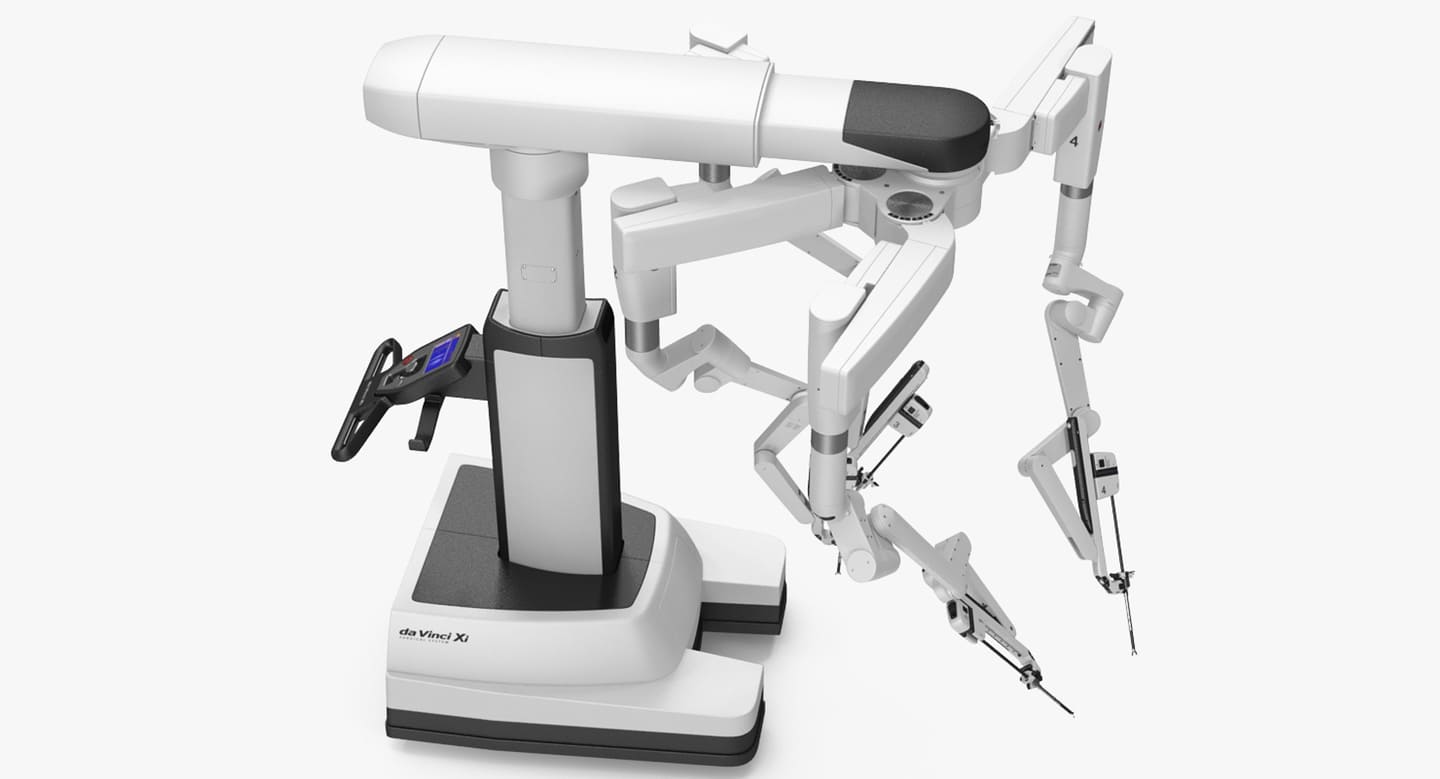
Robot-assisted radical prostatectomy
Thanks to robot-assisted surgery, it is now possible to perform complex procedures with exceptional precision. In this video, I present the advantages of the Da Vinci robot for the treatment of prostate cancer.
FAQ – Frequently Asked Questions
What are the advantages of robot-assisted surgery?
The surgical robot offers a magnified 3D view and highly precise articulated instruments. This allows for finer dissection of the nerves involved in erection and the sphincter, reduced blood loss, and faster recovery than with open surgery.
Will I remain continent after a prostatectomy?
Continence gradually returns over 3 to 12 months, aided by pelvic floor rehabilitation. After one year, more than 90% of patients no longer need protection. In cases of persistent leakage, effective surgical solutions are available.
What about erections after the procedure?
This depends on preserving the nerve bundles, a decision made based on the characteristics of the cancer. When possible, the recovery of erections takes 6 to 24 months, supported by early pharmacological rehabilitation.
How long does the hospital stay last?
Hospitalization typically lasts 2 to 4 days. The urinary catheter is removed after about a week. A return to normal activity takes 3 to 4 weeks, but strenuous activity should be avoided for a month.
Dr Olivier Dumonceau's expertise
Chirurgien Urologue à Paris

Solutions exist: let's talk.