
Prostate monitoring after age 50
The right exam pace to stay calm
Prostate health monitoring after age 50: screening, PSA test, digital rectal exam. Prevention and personalized support by Dr. Olivier Dumonceau in Paris.
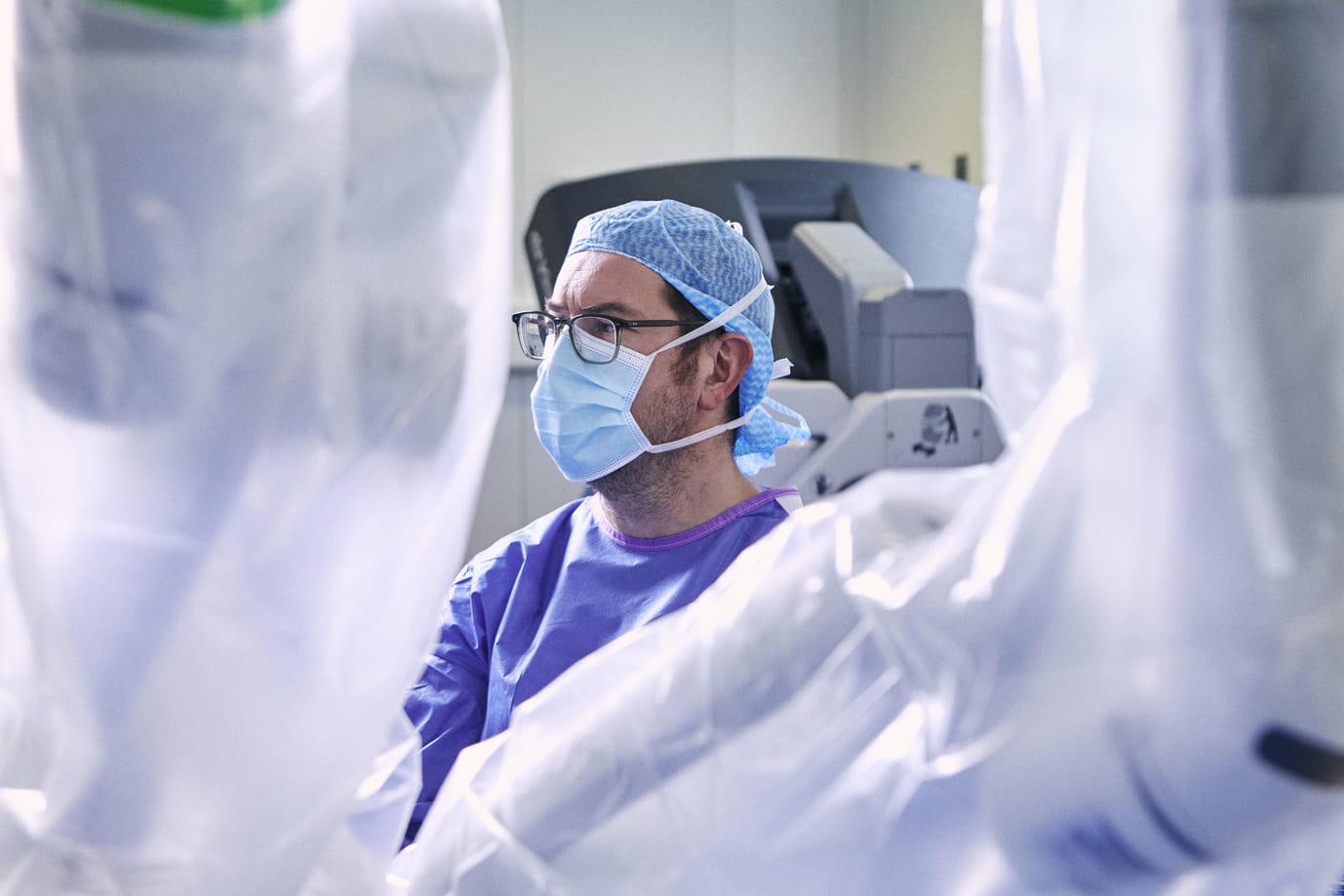
Why monitor the prostate from the age of 50?
With age, the prostate – a gland in the male reproductive system located below the bladder – can be affected by various conditions, often benign, sometimes more serious. After age 50, regular checkups are recommended to detect any abnormalities early, including benign prostatic hyperplasia (BPH), also known as benign prostatic hypertrophy or prostate cancer, one of the most common cancers in men.
When should you consult a urologist?
Prostate cancer: what are the signs to watch out for?
 Cancer de la prostate : quels sont les signes à surveiller ?Dr Olivier Dumonceau
What does prostate monitoring involve?
Monitoring objectives
Expertise
Prostate cancer risk factors explained
 Facteurs de risque du cancer de la prostate expliquésDr Olivier Dumonceau
Personalized support
Dr. Olivier Dumonceau will guide you through every step of your care, taking the time to listen to you, explain the tests performed, and tailor the recommendations to your specific situation. His goal is to provide you with a calm, clear, and respectful approach to your treatment.
Risk factors for prostate cancer
Experience
Patient journey office
 Parcours Patient cabinetDr Olivier Dumonceau
Patient Journey
Let me introduce you to the typical patient journey, my approach to urology, and how I work.
Would you like to schedule a follow-up prostate consultation?
Urology Clinic Paris Opéra – Paris 17th
Book your appointment today
FAQ – Frequently Asked Questions
Is prostate monitoring useful if I have no symptoms?
Yes. Prostate cancer most often causes no symptoms in its early stages, precisely when it is most treatable. Regular monitoring is the only way to detect it at this stage.
Is a rectal examination routine?
It is part of the standard screening because some cancers develop without raising PSA levels. It is a quick and painless test, complementary to blood tests.
What should I do if my PSA level increases?
An elevated PSA level is not synonymous with cancer: the level is first checked, then a prostate MRI is performed if the increase is confirmed. Biopsies are only recommended if a suspicious image is found.
Does the follow-up differ if my father had prostate cancer?
Yes. With a direct family history, the risk is approximately doubled: monitoring begins at age 45 and the frequency of check-ups is increased, generally annually.
Dr Olivier Dumonceau's expertise
Chirurgien Urologue à Paris

Solutions exist: let's talk.