
Prostate monitoring after age 50
Regular monitoring to anticipate rather than react
Discover how monitoring the prostate can prevent health problems and ensure optimal well-being.
Maintaining your health, monitoring your prostate

Treatments and monitoring of Prostate Cancer
Discover the various treatment options available for prostate cancer, presented by Dr. Dumonceau. This video clearly explains modern approaches and medical innovations in the treatment of this disease.
Expertise
Expertise in Prostate Cancer Treatment
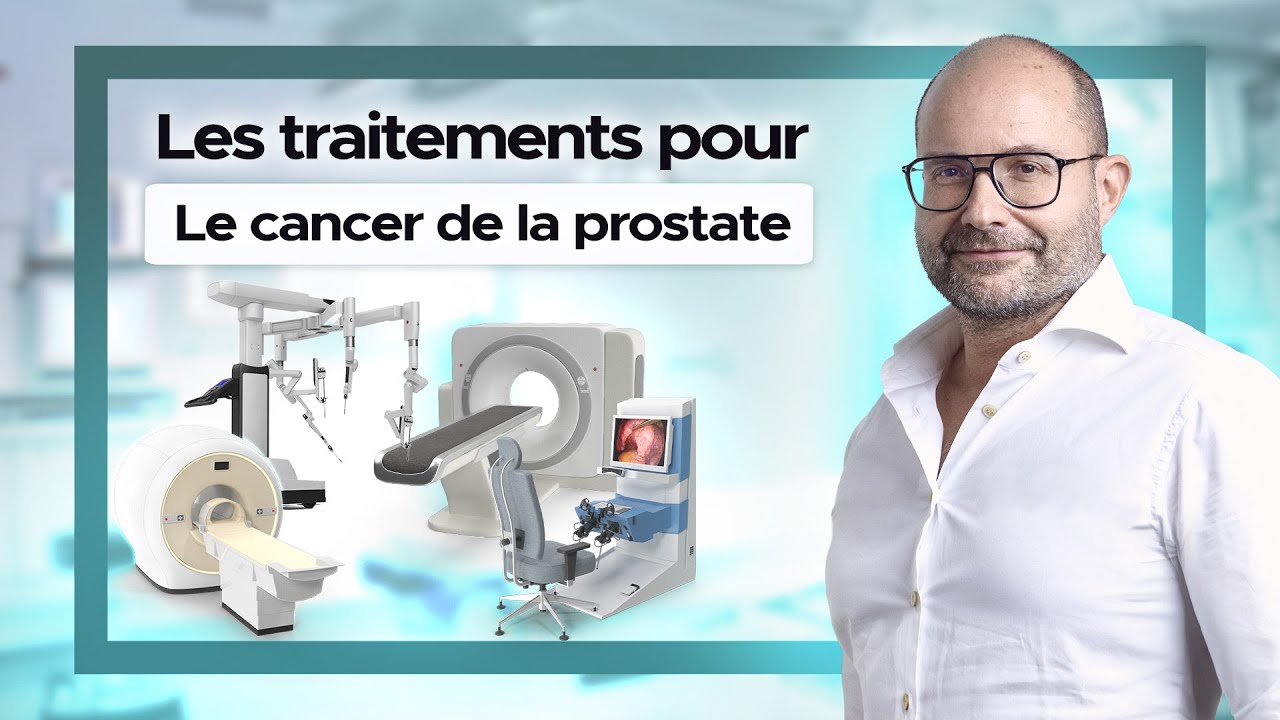 Expertise Traitement pour cancer prostateDr Olivier Dumonceau
Who is this surveillance aimed at?
The national reference in prostate surgery
Experience
Patient journey office
 Parcours Patient cabinetDr Olivier Dumonceau
Prostate monitoring after age 50
Each patient benefits from personalized monitoring to detect any prostate abnormalities early. In this video, I explain how regular monitoring helps preserve your health and peace of mind.
FAQ – Frequently Asked Questions
Why monitor your prostate after age 50?
After age 50, two conditions become common: benign prostatic hyperplasia (BPH), which can cause difficulty urinating, and prostate cancer, which is often asymptomatic in its early stages. Regular monitoring allows for treatment of BPH and early detection of prostate cancer.
What does surveillance consist of?
It combines a consultation with questioning about urinary symptoms, a digital rectal examination, and a PSA blood test. An ultrasound or uroflowmetry may complete the assessment in cases of urinary problems.
How often should you consult a doctor?
In the absence of any abnormalities, a check-up every 1 to 2 years is generally sufficient. The frequency is tailored to your risk level, your PSA level, and how it changes over time.
Which men are most at risk?
Men with a father or brother who has prostate cancer, and those of African or Caribbean descent, have an increased risk. For them, monitoring begins at age 45.
Dr Olivier Dumonceau's expertise
Chirurgien Urologue à Paris

Solutions exist: let's talk.