
Prostate cancer screening
Early diagnosis leads to simpler treatments
Discover the importance of prostate cancer screening for men’s health and the patient journey.
Early diagnosis for more effective treatments

Prostate Cancer Screening
Dr. Dumonceau explains the different stages of prostate cancer screening: when to consult, what tests to perform, and how to interpret the results for early and effective treatment.
Expertise
Expertise in Prostate Cancer Screening
 Expertise Dépistage du cancer de la prostateDr Olivier Dumonceau
Treatment options after screening
The national reference in prostate surgery
Experience
Prostate cancer: what are the signs to watch out for?
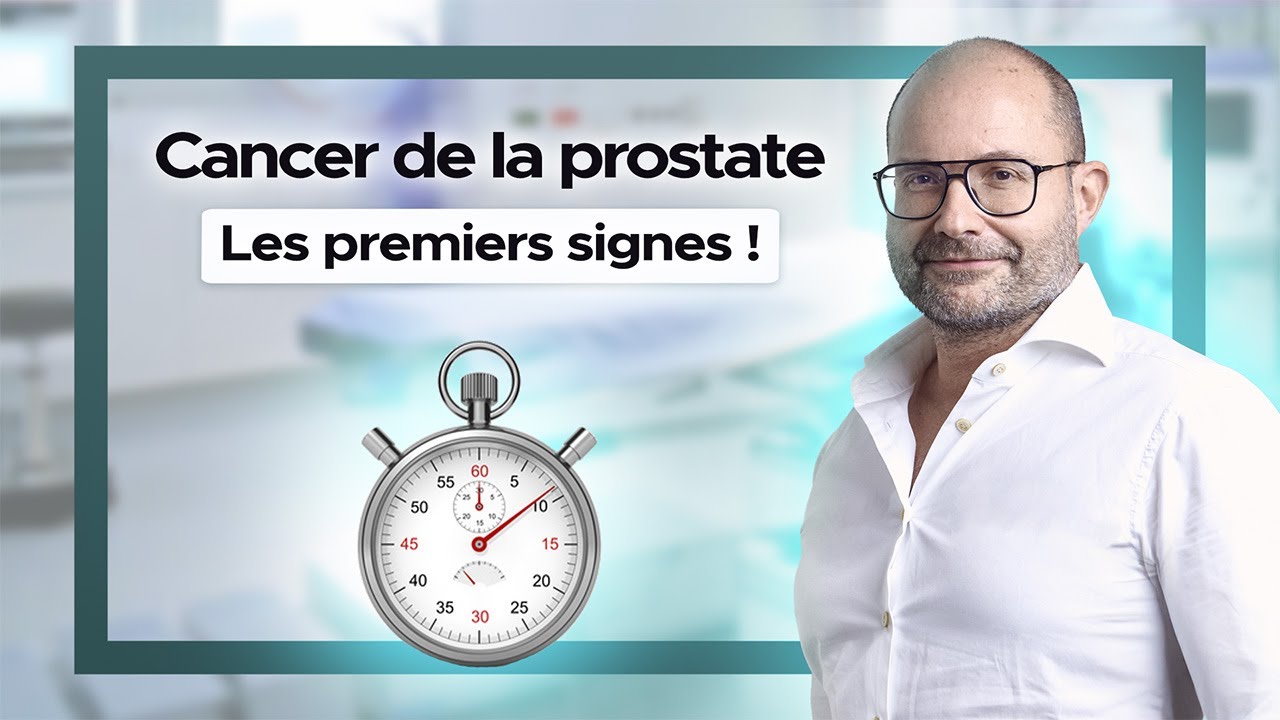 Cancer de la prostate : quels sont les signes à surveiller ?Dr Olivier Dumonceau
Prostate cancer screening
Prostate cancer screening is based on a clear and reassuring approach. Here, I present the standard tests and how they fit into a personalized care plan.
FAQ – Frequently Asked Questions
At what age should prostate cancer screening begin?
Screening is discussed starting at age 50 for the general population, and from age 45 for those with a family history of prostate cancer or of African or Caribbean descent. It is based on an individualized discussion with your doctor.
Does a high PSA level necessarily mean cancer?
No. PSA levels can rise in cases of large adenomas, urinary tract infections, or prostatitis. It is the evolution of PSA levels over time and their interpretation by the urologist that determine whether or not further investigations are necessary.
What tests in case of suspicion?
Multiparametric prostate MRI is now the key examination: it identifies suspicious areas and guides targeted biopsies, performed only when necessary. This strategy avoids many unnecessary biopsies.
Why screen for a slow-growing cancer?
When detected early, prostate cancer is curable in the vast majority of cases, with treatments becoming less aggressive the more localized the disease. Some low-grade cancers only require active surveillance, without immediate treatment.
Dr Olivier Dumonceau's expertise
Chirurgien Urologue à Paris
Solutions exist: let's talk.