
Treating localized prostate cancer
Choose the treatment that's right for your situation
Localized prostate cancer: treatments, surgery, radiotherapy or active surveillance with Dr. Olivier Dumonceau, urologist in Paris.
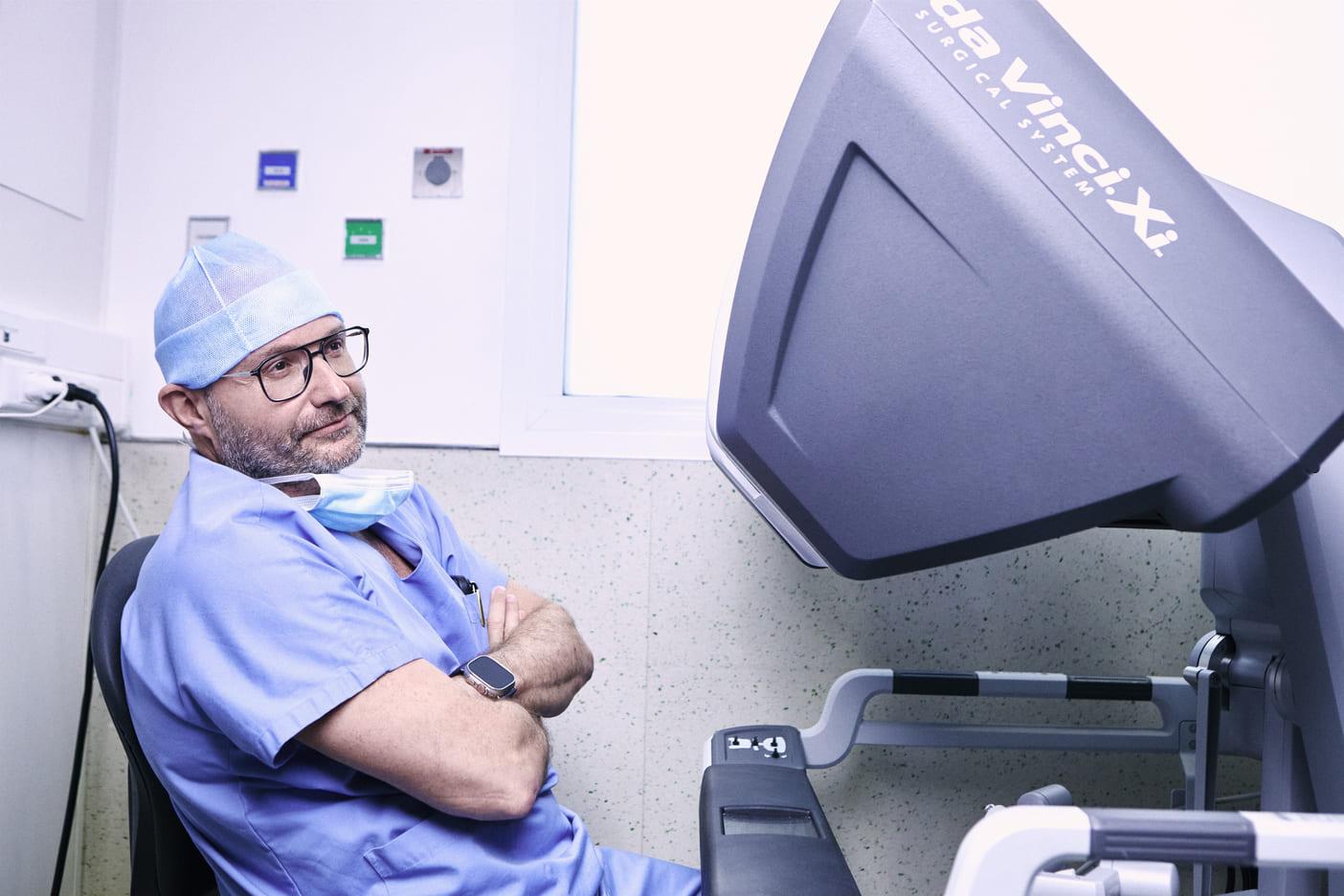
Introduction
A diagnosis of prostate cancer often causes concern and raises many questions. When it is localized (that is, when it remains confined to the prostate gland, without spreading to the lymph nodes or metastases), curative treatment options exist.
The goal is to confidently choose, with a good benefit/risk balance, the strategy best suited to your situation: to heal, to control, while preserving your quality of life.
Expertise in Prostate Cancer Treatment
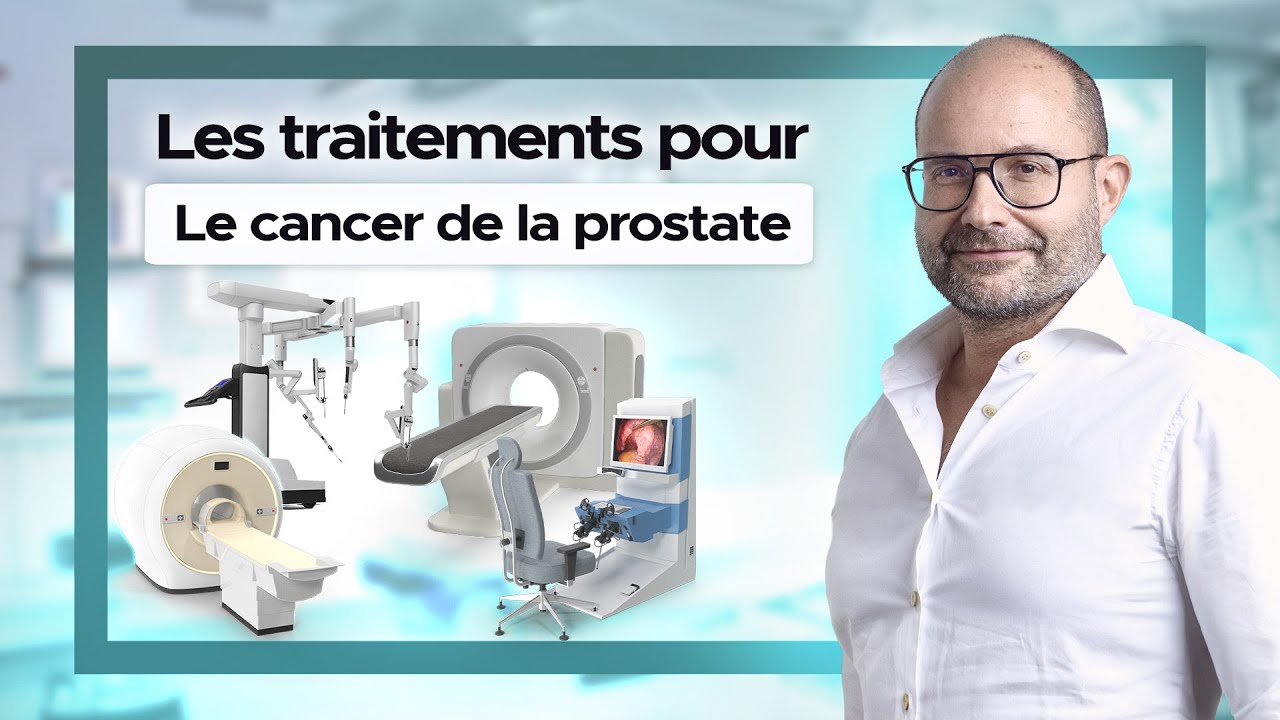 Expertise Traitement pour cancer prostateDr Olivier Dumonceau
What is meant by “localized prostate cancer”?
Expertise
Localized prostate cancer: HIFU focal treatment (ultrasound) — for whom, how, risks?
 Cancer de la prostate localisé : traitement focal HIFU (ultrasons) — pour qui, comment, risques ?Dr Olivier Dumonceau
Treatment options
Experience
Patient journey office
 Parcours Patient cabinetDr Olivier Dumonceau
How to choose the best option?
High-intensity focused ultrasound for prostate cancer
Patient Journey
Let me introduce you to the typical patient journey, my approach to urology, and how I work.
Are you looking for the best treatment for localized prostate cancer?
Benefit from personalized care and the latest techniques.
Urology Clinic Paris Opéra – Paris 17th
Specialized consultation and comprehensive support
Book your appointment today
FAQ – Frequently Asked Questions
What are the options for treating localized prostate cancer?
Three main strategies exist: active surveillance for low-grade cancers, radical prostatectomy (most often robot-assisted), and radiotherapy, possibly combined with a short course of hormone therapy. The choice is made in multidisciplinary consultation.
How to choose between surgery and radiotherapy?
Both offer excellent cancer control results. The choice takes into account age, tumor characteristics, pre-existing urinary problems, the side effects specific to each treatment, and your preferences after receiving full information.
What is active surveillance?
For low-risk cancers, the disease is monitored with regular PSA tests, MRIs, and follow-up biopsies, without immediate treatment. Curative treatment is only initiated if the disease shows signs of progression—thus sparing many patients the side effects of treatment.
What are the chances of recovery?
For localized cancer, 10-year survival rates exceed 95% regardless of the curative treatment chosen. Follow-up then relies on simple, regular PSA testing.
Dr Olivier Dumonceau's expertise
Chirurgien Urologue à Paris

Solutions exist: let's talk.